
What is cigar ring gauge? How to read the size correctly
A cigar can be the same length and yet have a completely different effect. The reason often lies not in the wrapper or the band, but in the diameter. What is a cigar ring gauge? It's the traditional measurement for the thickness of a cigar – and therefore a crucial indicator of the draw, smoke volume, burning characteristics, and how a blend develops.
For the connoisseur, ring gauge is not just a dry number. It describes a part of the tobacco's character. A slender vitola concentrates the smoke differently than a generous one. It influences the rhythm of enjoyment, the temperature, and the space a tobacco blend occupies. Not as a judgment of quality, but as a conscious choice for a particular moment.
What exactly is a cigar ring gauge?
The ring gauge, also known internationally as ring measure, indicates the diameter of a cigar in sixty-fourths of an inch. A ring gauge of 50 therefore means the cigar measures 50/64 inches in diameter. This is approximately 19.8 millimeters.
This historical unit is still common in the cigar world today, even though millimeters are often more readily available in Europe. It's important to understand the distinction: the ring gauge describes the diameter, not the circumference. Choosing a cigar with a ring gauge of 52 therefore means choosing a diameter of approximately 20.6 millimeters.
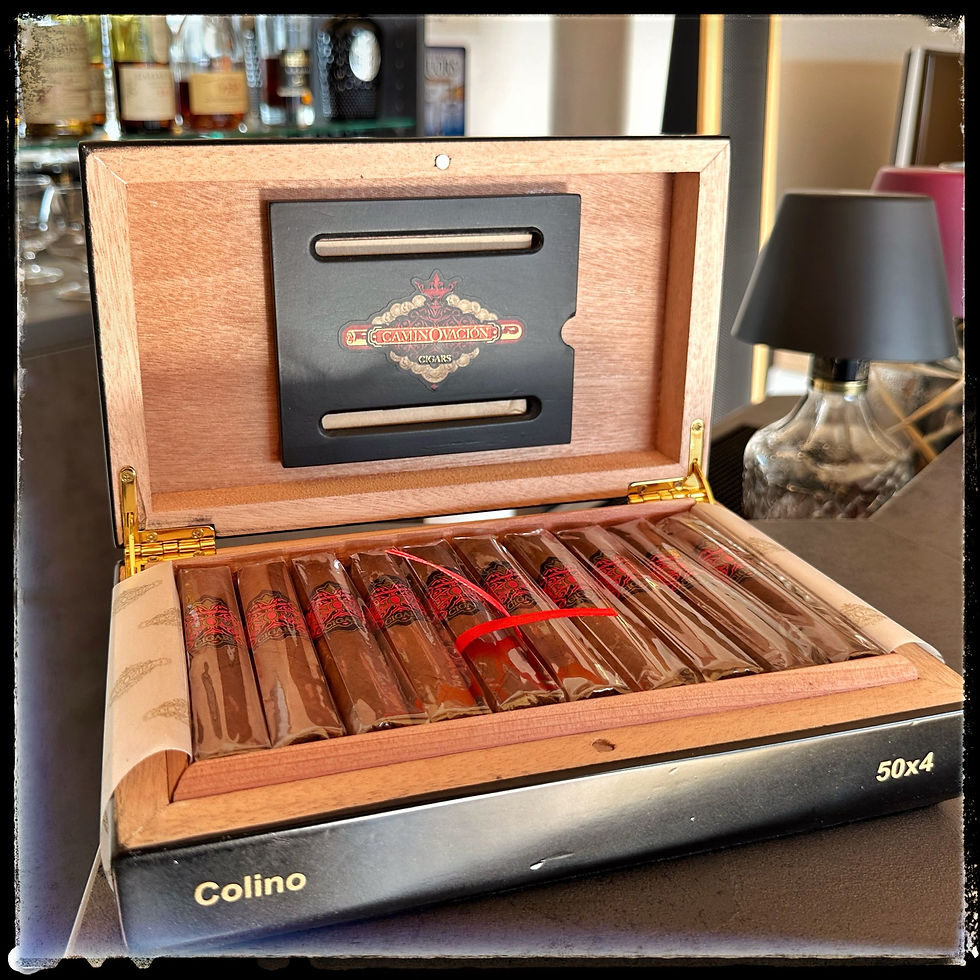
The length is specified separately, usually in millimeters or inches. Only the combination of these two measurements defines the format, the vitola. A Robusto, for example, might be about 124 millimeters long with a ring gauge of 50. A Toro, with a comparable ring gauge, can be longer. This not only affects the smoking time but also the development of the flavors .
Ring gauge and vitola: Two gauges, one experience
The names of classic formats provide a guideline, but are not globally binding standards. A Corona, Robusto, or Churchill can vary slightly in length and diameter depending on the manufacturer. Therefore, the actual value is always what matters, not just the name on the box.
| Format | Typical Ring Gauge | Character of the Format | | --- | --- | --- | | Corona | 42 to 44 | Slim, precise, often aromatically focused | | Robusto | 50 | Compact, balanced, ideal for a conscious moment | | Toro | 50 to 54 | More length for a calm, multifaceted development | | Churchill | 47 to 50 | Long format with time and space for nuances | | Gordo | 56 to 60 | Generous, voluminous, with plenty of smoke and presence |
These values are guidelines, not regulations. Especially with boutique cigars, the format is part of a blend's signature. A blend isn't simply transferred to any size. The tobaccos, their position in the filler, and the desired balance are all tailored to the specific vitola.
The conversion to millimeters
For a quick estimate, a simple calculation helps: ring gauge divided by 64, multiplied by 25.4. In practice, a guideline is sufficient. Ring gauge 42 corresponds to approximately 16.7 millimeters, 50 to approximately 19.8 millimeters, 52 to approximately 20.6 millimeters, 54 to approximately 21.4 millimeters, and 60 to approximately 23.8 millimeters.
Even a few millimeters noticeably change the feel in the hand. They also change the amount of filler tobacco that fits in the cigar. But more tobacco doesn't automatically mean more intensity.
Why ring gauge affects taste
A hand-rolled premium cigar is a harmonious interplay of filler, binder, and wrapper . The ring gauge determines how much space the filler has and how the different tobaccos blend in the smoke. A narrower format has less volume. Its smoke path and construction often react more directly to individual components of the blend.
Wider formats often allow for a more complex distribution of different filler tobaccos. Earthy, creamy, spicy, or sweet notes can unfold more broadly. The smoke often feels cooler and fuller. However, this is not a hard and fast rule, as rolling technique, tobacco aging, moisture content, and draw resistance always play a role.
A slimmer cigar can seem more concentrated and direct. However, it also demands attention: if you draw too quickly , the temperature rises, and subtle nuances are lost. With a larger vitola, the smoke is often more voluminous, and the development can be more leisurely. It simply needs time. Therefore, a format should suit not only the taste but also the occasion.
In the early evening, between appointments or as an accompaniment to an espresso, a precisely crafted Robusto can be the perfect choice. After a long dinner, in intimate company, or during a conversation that doesn't pay attention to the time, a Toro or Churchill takes on a different meaning. The art of savoring the moment also lies in giving a cigar the right amount of time.
Does a higher ring gauge mean greater strength?
No. That's one of the most common misconceptions. Ring gauge and strength are different things. The strength of a cigar is primarily determined by the tobaccos used, their ligero content, their origin, their aging, and the blend composition.
A cigar with a ring gauge of 60 can be exceptionally mild and creamy. A slender Corona with a ring gauge of 42, on the other hand, can be quite powerful if it contains a high proportion of intense tobaccos. Aroma is also a separate factor: spiciness doesn't necessarily equate to strength, and a full body doesn't necessarily mean high nicotine content.
The ring gauge primarily influences how an existing blend is perceived. In a wider format, the same blend can taste rounder, cooler, or softer. In a narrow vitola, it can appear more defined, direct, and sometimes spicier. Therefore, many houses develop their blends specifically for each format, rather than simply applying the same recipe to every size.
Train, fire and craftsmanship
Ring gauge is also about construction. A wider cigar requires more filler tobacco and careful, even distribution. If it's rolled too tightly, the draw suffers. If it's rolled too loosely, the burn can be uneven, and the smoke may seem too hot or too fast.
The best cigar doesn't draw effortlessly like a straw. A light, controlled resistance is part of the enjoyment. It allows the smoke to develop without overwhelming the cigar. Especially with larger ring gauges, the hand of experienced torcedores is evident: the cigar should burn steadily, hold its ash, and maintain its balance from the first puff to the last third.
The cut also deserves attention. For slender formats, a small, clean cut is sufficient. With a larger ring gauge, the opening can be a bit more generous, without damaging the shoulder of the cigar. Cutting too deeply risks the wrapper splitting. Precision begins before the first puff.
Which cigar ring gauge is right for you?
There's no single right size. Those who appreciate a clean, focused smoke and don't want to set aside two hours often find their rhythm with a ring gauge of 42 to 50. Those who prefer more volume, a cooler smoke, and a slower development often feel comfortable with 52 to 56. Ring gauges of 58 and above are designed for moments when time is consciously available.
For beginners, a medium ring gauge is a good guideline, but not essential. A well-balanced Robusto can be more approachable than a very large cigar because it presents the blend in a more concentrated timeframe. Experienced aficionados, on the other hand, choose not only based on size, but also on mood, companionship, and occasion.
A cigar is never merely a measure. It is craftsmanship, aged tobacco, and an invitation to tranquility. Those who understand ring gauge no longer see a vitola as just a number on a label, but as a deliberate form for taste, conversation, and their own well-chosen moment.


Comments